
Gambling insights A comprehensive exploration of strategies and odds
Understanding Gambling Odds
Gambling odds are foundational to understanding how games of chance work. They represent the probability of a specific outcome occurring compared to the total possible outcomes. For instance, in a simple coin flip, the odds of landing on heads are one in two. This basic concept translates into various gambling scenarios, from sports betting to casino games. Knowing how to interpret these odds enables players to make informed decisions when placing bets. Additionally, those interested in testing their web security might find the ip stresser useful in understanding online vulnerabilities.

In addition to basic odds, gamblers often encounter different formats, such as fractional, decimal, and moneyline odds. Fractional odds indicate the profit relative to the stake, such as 5/1, meaning that for every dollar wagered, a five-dollar profit can be earned. Decimal odds, commonly used in Europe, simplify this by showing the total return on a bet, including the stake. Understanding these formats allows gamblers to compare potential payouts across different platforms.
Furthermore, it’s essential to note that odds can fluctuate based on various factors, including betting patterns and expert predictions. For example, in sports betting, if a star player is injured, the odds may shift dramatically to reflect the perceived increase in the opposing team’s chances of winning. Staying updated on these changes is vital for any serious gambler looking to maximize their returns.
Effective Gambling Strategies
When engaging in gambling, employing effective strategies can significantly enhance a player’s experience and success rate. One fundamental strategy involves bankroll management, where gamblers allocate a specific amount to wager, ensuring they do not exceed their financial limits. This discipline helps in mitigating losses and prolonging playtime, allowing players to make strategic decisions rather than impulsive ones based on emotions.
Another widely-used approach is the Martingale system, primarily in games like roulette. This strategy advocates doubling the stake after a loss, with the goal of recovering previous losses once a win occurs. However, while theoretically appealing, it carries the risk of substantial losses if the player encounters a long losing streak. Hence, understanding the risks associated with each strategy is crucial for responsible gambling.
Lastly, research and understanding the game being played are indispensable. Whether it’s poker, blackjack, or sports betting, knowing the rules, player tendencies, and relevant statistics can provide an edge. For instance, in poker, understanding opponent behavior can lead to more successful betting decisions. Thus, investing time in learning and strategizing pays dividends in the long run.
The Role of Probability in Gambling
Probability is the backbone of all gambling activities, shaping outcomes and influencing strategies. At its core, probability refers to the likelihood of an event occurring, expressed as a fraction or percentage. Gamblers must understand these probabilities to make informed choices about which bets to place. For example, in blackjack, the probability of drawing a specific card can dictate whether a player should hit or stand.
Moreover, the concept of expected value helps gamblers assess the potential profitability of a bet. Expected value calculates the average outcome of a wager by considering both the likelihood of winning and the payout. For instance, if a bet has a 50% chance of winning with a payout of 2:1, the expected value can help determine if the wager is worth making in the long term.
Additionally, cognitive biases can affect how individuals perceive probability and risk. Many gamblers fall victim to the gambler’s fallacy, which is the misconception that past events affect future probabilities in independent games. Understanding these biases and learning to recognize them can aid in making rational betting decisions, leading to better outcomes and more enjoyable gambling experiences.
The Influence of Psychology in Gambling
Psychology plays a crucial role in gambling, influencing how individuals approach bets and manage risks. The thrill of winning can trigger dopamine release, reinforcing the behavior and potentially leading to compulsive gambling. Understanding this psychological aspect is vital for both players and operators to promote responsible gambling practices. By recognizing how emotions affect decision-making, gamblers can develop strategies to remain disciplined.
Additionally, cognitive biases, such as overconfidence and loss aversion, affect gambling behavior significantly. Overconfidence can lead players to underestimate risks or overestimate their knowledge about a game, while loss aversion often makes individuals reluctant to walk away from a losing streak. Being aware of these psychological phenomena can help gamblers maintain a balanced approach, enabling more strategic decision-making.
Finally, social influences, including peer pressure and community dynamics, shape gambling behavior as well. Many individuals gamble as a social activity, and this environment can encourage riskier behaviors. Creating a support system and engaging in discussions about responsible gambling practices can help mitigate these influences, fostering a healthier gambling culture among friends and communities.
Conclusion and Future of Gambling
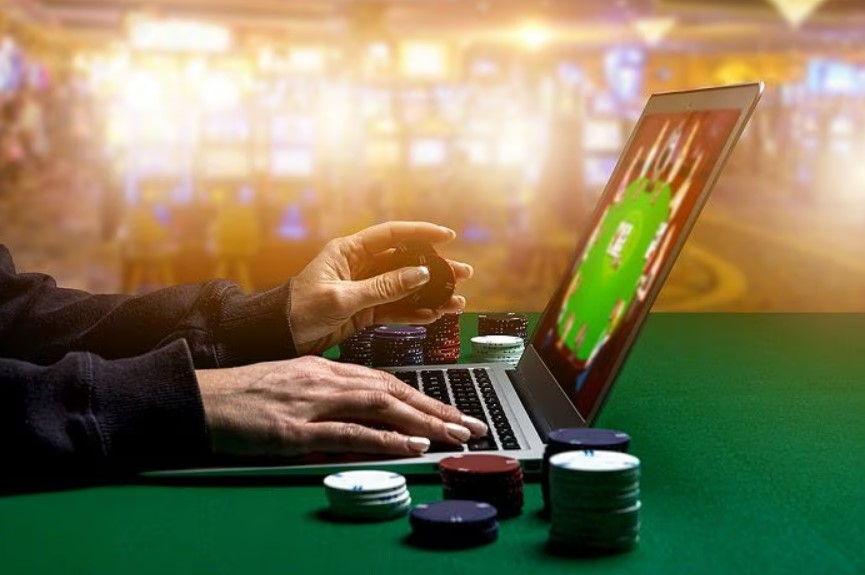
In conclusion, gambling is a multifaceted activity influenced by odds, strategies, probability, and psychology. Understanding these elements equips players with the tools needed to make informed decisions, improve their gaming experience, and potentially increase their winnings. As technology continues to evolve, the landscape of gambling is also changing, with online platforms providing innovative ways to engage with games and bets.
With advancements such as virtual reality gaming and AI-driven analytics, the future of gambling promises to be even more immersive and data-driven. Players are becoming increasingly empowered with information at their fingertips, allowing them to analyze trends and odds in real time. However, with these advancements comes the need for increased awareness regarding responsible gambling practices.
Ultimately, understanding the complexities of gambling can lead to a more enjoyable and sustainable experience. Whether engaging in casual betting or strategic play, individuals can navigate the gambling landscape more effectively. As the industry continues to grow, platforms that prioritize responsible gaming and provide valuable insights will play a pivotal role in shaping the future of gambling.